
Our mission
We believe research and better practices can build a healthier, better-educated Cambodia.
A good education, a good healthcare system and a healthy lifestyle produce a healthy society. KEHO researches and promotes the best ways to bring all three to every Cambodian.
Why Cambodia needs this
From 1975, the Khmer Rouge regime destroyed Cambodia's schools, universities, hospitals and clinics, and killed many of its teachers, doctors and nurses. Today the country is rebuilding in every sector, and many private schools and hospitals have opened. But three gaps remain.
Education
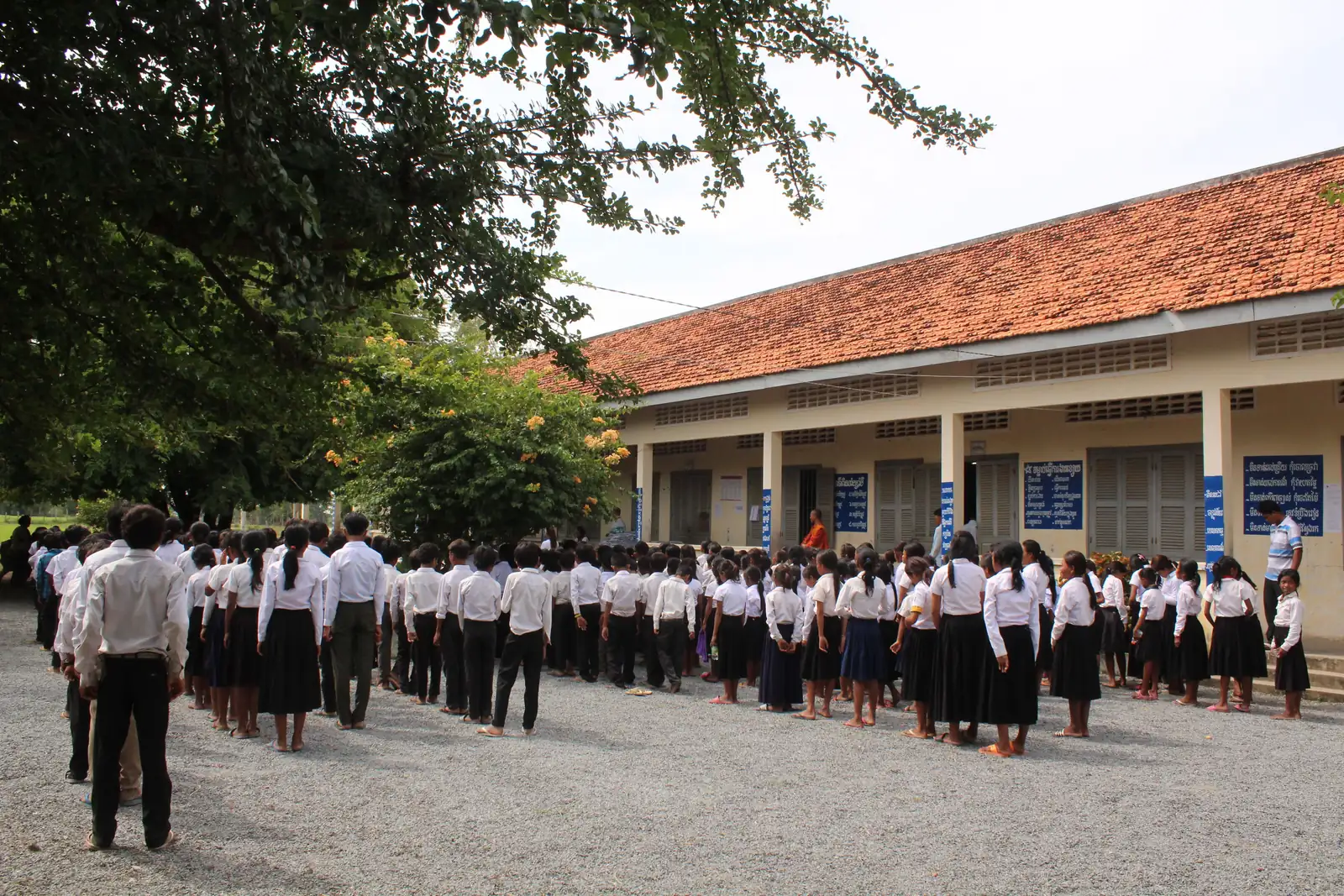
Hundreds of thousands of students graduate every year. But the government and the private sector share concerns about the quality and practical value of their education and training.
Health
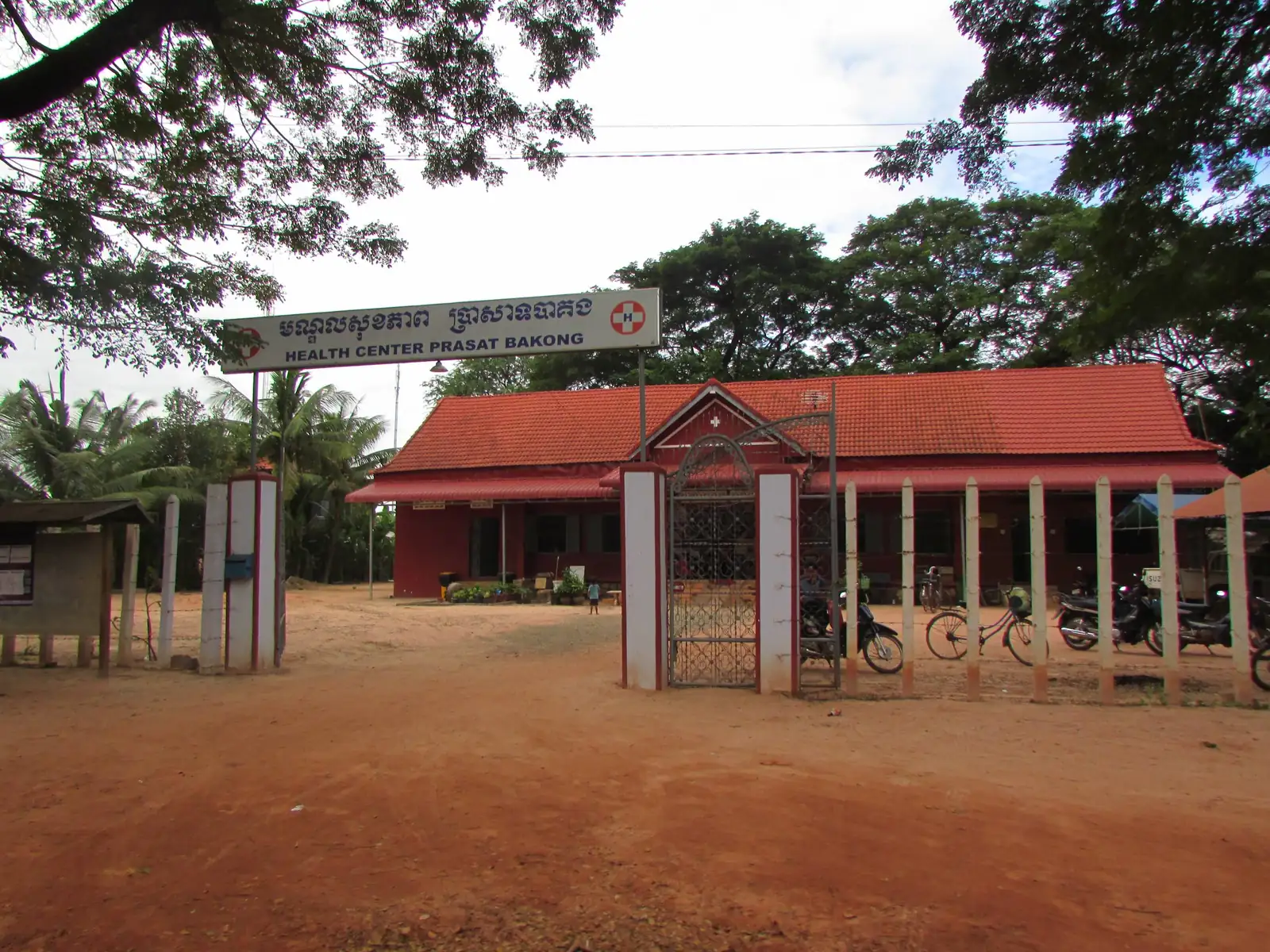
Mental health care is still very limited, and there is no licensing system for mental health practitioners. Caring for the mind matters as much as caring for the body.
Research
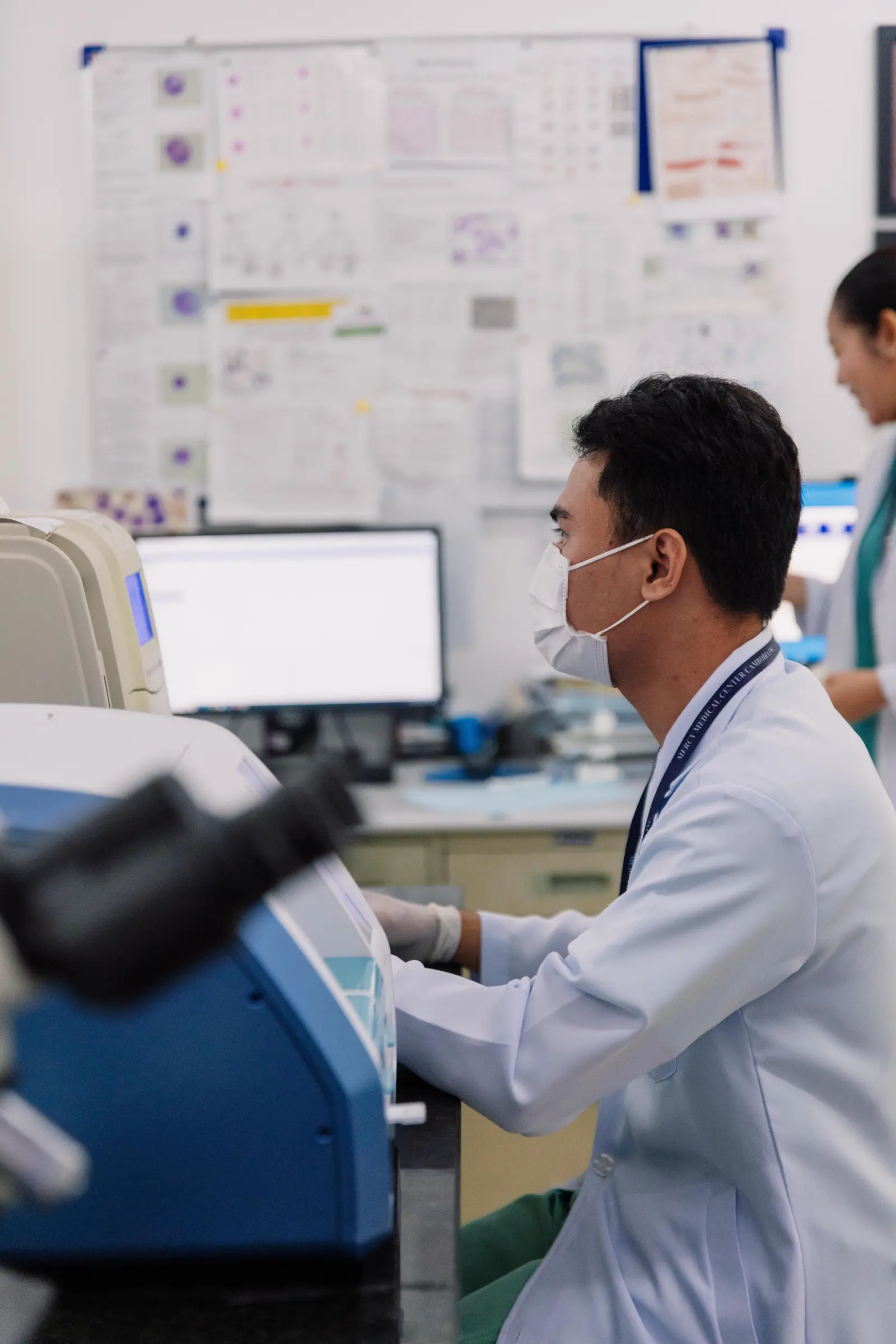
Skilled people and funding are both in short supply. Above all, there is too little focused, strategically funded research and development.

Education and health, rebuilt through research
KEHO exists to lead and encourage scholarly research and development that raises the quality of teaching and training in education and healthcare.
Our mission is to find and promote best practices through scholarly research and development: better methods, techniques and products for quality education and for the wellbeing of all Cambodians.
We believe research and development is the key to developing Cambodia's people, and to the country's wellbeing and prosperity. We share Cambodia's vision of becoming a high-income country by 2050: through better education, healthcare and research, we want to help build the skilled, healthy people who will make it happen. Our own vision is to become a leading research and development organization that promotes best practices in Cambodia's education and healthcare.
How we'll get there
Three strategic goals guide our work.
- 1
Cooperation
Strengthen coordination among the local and national government agencies that work on education and healthcare.
- 2
Research and development
Promote a culture of quality, ethical research, support local and national best practices and policies, and encourage innovation.
- 3
Strategic partnerships
Strengthen partnerships between the scientific community, government ministries and other stakeholders.

Dr. Pholy's story
Dr. Sathya Pholy grew up in Cambodia during the Khmer Rouge years and saw great pain and suffering. His father taught him a lesson he never forgot: possessions can be lost or stolen, but knowledge and wisdom can never be taken away.
Phnom Penh at sunset
His journey
Phnom Penh
A childhood under the Khmer Rouge.
1983
Left Phnom Penh for the refugee camps on the Thai–Cambodian border, where he lost his father.
1987
Arrived in the United States as a teenager, in the Bronx, New York.
1990
Moved to Lowell, Massachusetts.
Fresno, California
Earned a PhD in educational psychology.
2001
Became the first certified Cambodian drug and alcohol counselor.
2024
Founded KEHO in Phnom Penh.
Today
President of KEHO and Cambodia Town Lowell.
Why he started KEHO
Dr. Sathya Pholy’s life in a new country was not easy. But teachers and counselors believed in him and encouraged him to keep studying. Many of them came from other Southeast Asian countries, and although their languages and cultures were different from his, they took the time to understand him. From them, he learned that people from different backgrounds can become friends when they take time to understand each other.
Dr. Pholy earned a PhD in educational psychology and a master’s degree in counseling psychology. For more than 20 years, he has served people as a psychologist, counselor, and teacher, from primary schools to universities. He was the first certified Cambodian drug and alcohol counselor. He has also served as a dean of graduate programs. Today he advises NGOs and the government on education, psychology, and addiction.
He founded KEHO to give Cambodia what education gave him: knowledge, hope, and a better future. He believes that quality education, quality healthcare, and care for both the mind and the body can help Cambodia heal and grow.
He also lives by the researchers’ principle, “publish or perish.” Knowledge only helps people when it is shared. So research must be written down and published, especially in Khmer. Above all, Dr. Pholy is happiest when he can help others and see good come into their lives.
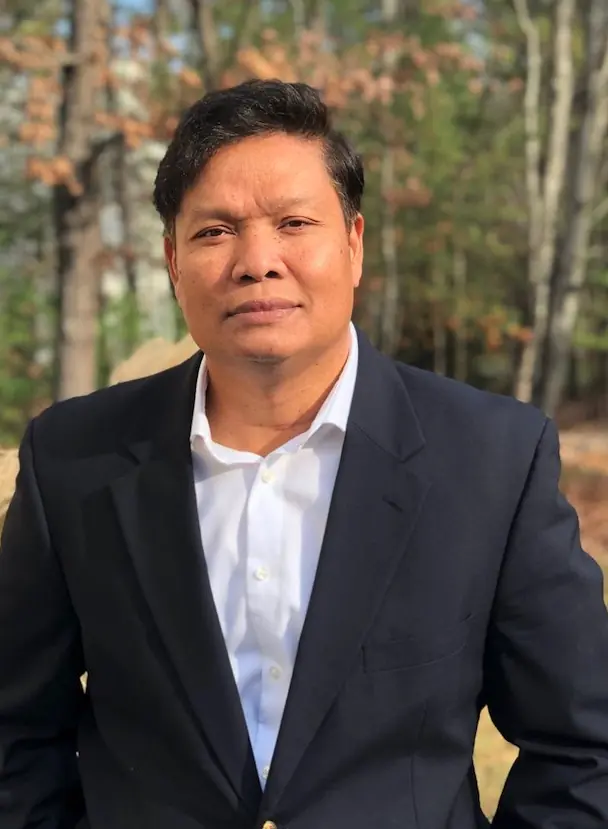
Knowledge and wisdom can never be taken away from you.